Blog · Guide
How AI Receptionists Detect and Route True Emergency Calls
A burst pipe at 2am does not wait for business hours, and neither does a customer with chest pain or a patient in real pain. If your phone system cannot tell the difference between someone who wants to reschedule a Tuesday appointment and someone standing in three inches of water, you have a serious gap. The right AI receptionist setup catches that difference in seconds and gets the right person on the line immediately. This guide breaks down exactly how emergency detection works and how to configure it correctly.
By Samana Rob · Published July 31, 2026 · Contains affiliate links
What actually counts as an emergency call
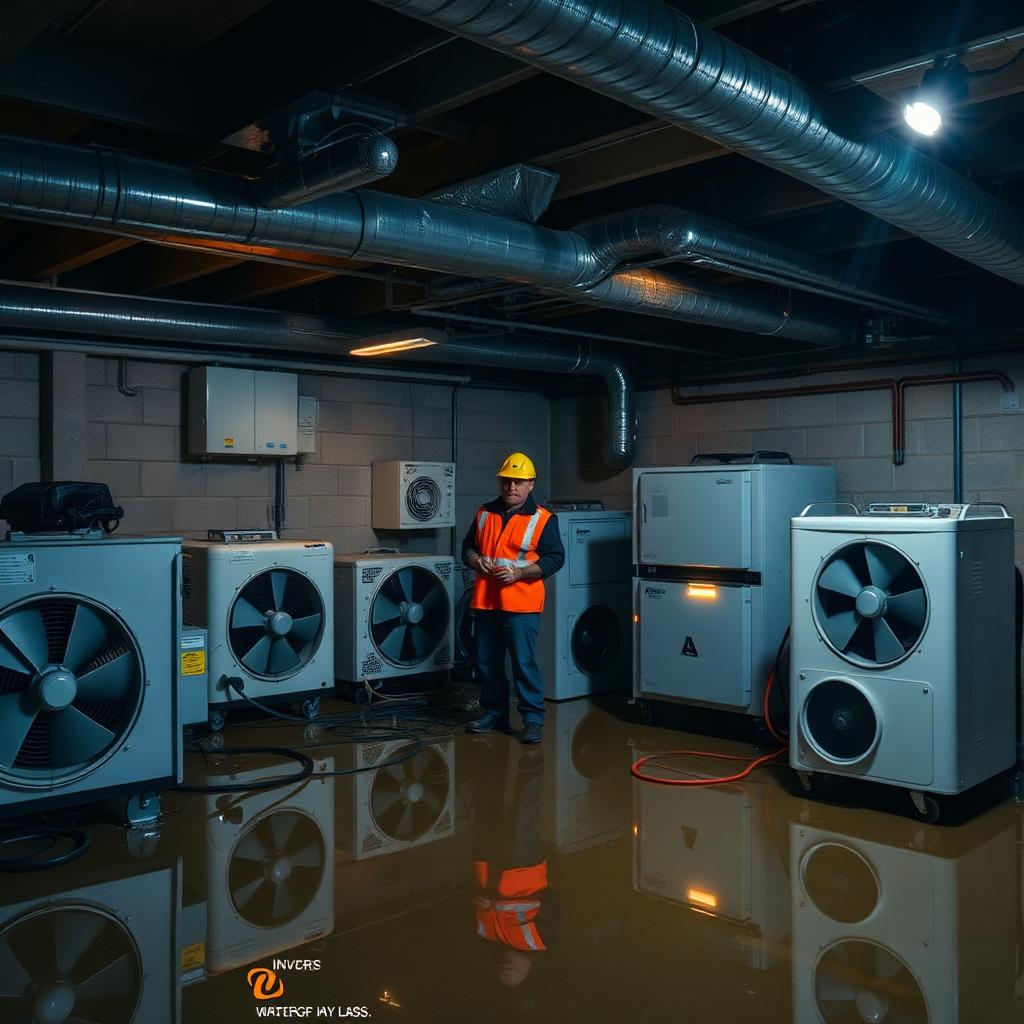
Before you can build detection rules, you need a clear internal definition of what counts as a true emergency for your specific business, because the word gets used loosely and that looseness is where systems fail. For a plumbing company, an emergency is active water damage, a sewage backup, or a complete loss of water to the home, not a slow faucet drip that can wait until Thursday.
For a dental office, an emergency is a knocked out tooth, uncontrolled bleeding, or facial swelling that suggests an infection spreading, not a routine cleaning that needs to be moved up a few days. Writing this definition down in plain language, with three to five concrete examples, gives you something to test your AI against later instead of relying on a vague sense of what feels urgent.
It helps to separate emergencies into two tiers, true emergencies that need a human within minutes and urgent but not critical requests that can wait for the next business hour callback.
A no heat call in July is an inconvenience, the same no heat call in January with temperatures below freezing is a genuine emergency, and your trigger rules need to account for that kind of contextual difference rather than treating every mention of heat the same way year round.
This is also where reviewing real call transcripts pays off, because customers describe genuine emergencies with a specific kind of urgency in their language, using words like right now, immediately, or emergency itself, that rarely shows up in routine scheduling calls.
How the detection technology actually works
At the core, emergency detection is pattern matching against a curated list of words and phrases, run in real time as the caller speaks rather than after the call ends, which is what allows the system to interrupt the normal flow and reroute instantly.
atAnswer's system listens for both explicit keywords, like flooding or gas smell, and severity modifiers, like active, right now, or getting worse, and treats a combination of the two as a stronger signal than either alone.
This layered approach cuts down on false positives from someone mentioning a past problem casually, since the system is specifically looking for present tense, active language rather than just the presence of a scary sounding word somewhere in the sentence.
Beyond word matching, tone and pace analysis add a second layer of detection that catches emergencies even when the exact keywords are not a perfect match. A caller speaking quickly, at a raised volume, or with noticeable stress in their voice gets flagged even if their word choice is ordinary, which matters because not every caller in a genuine emergency describes their situation with textbook clarity.
Combining explicit phrase matching with these behavioral signals gives a much more complete picture than either method alone would, and it is the same layered approach used in serious 911 dispatch training, adapted for a business phone line instead of emergency services.
Configuring emergency routing for home service businesses
Start by listing the specific failure modes that matter most in your trade: for plumbing that is active flooding, sewage backup, and complete water loss, for HVAC that is no heat in winter and no cooling during a heat warning, and for electrical that is sparking outlets, burning smells, or a complete power loss affecting safety equipment like medical devices in the home.
Each of these gets its own set of trigger phrases loaded into the system, built from how actual customers have described these situations in past calls rather than how a technician would describe them internally. Once loaded, each trigger routes to your on call technician or dispatcher rather than the general booking calendar, since these calls need judgment about crew availability and urgency that a standard appointment slot cannot capture.
The routing destination should change based on time of day, with business hours emergencies going to your dispatcher who can pull a technician off a lower priority job, and after hours emergencies going to whoever is on the on call rotation for that week.
Make sure the on call schedule inside atAnswer actually matches your real rotation and gets updated weekly, because a static routing list that still points to someone who is not on call anymore is one of the most common ways emergency systems quietly fail.
It is also worth setting a policy for what the AI tells the caller while the transfer is happening, since a caller standing in a flooding basement wants to hear that help is on the way immediately, not silence while the system works in the background.
Configuring emergency routing for medical and dental offices
Medical offices need a more conservative trigger list than home services, because the cost of missing a real symptom based emergency is much higher and the language patients use varies more with age, background, and how scared they are in the moment.
Build your list around clinical severity indicators like difficulty breathing, chest pain, uncontrolled bleeding, sudden severe pain, high fever in an infant, or any mention of an allergic reaction, and have whoever manages your clinical protocols review the list before it goes live rather than leaving it entirely to office administrative staff.
These calls should route directly to a clinical staff member, not administrative front desk staff, since the person answering needs to be able to give real guidance or make the call on whether to direct the patient to an emergency room.
For dental offices specifically, common true emergencies include a tooth being knocked out entirely, which has a narrow window where reimplantation is possible, severe swelling that suggests a spreading infection, and uncontrolled bleeding after a procedure.
These get routed to the on call dentist rather than the front office, and the AI should be configured to tell the caller basic first aid guidance while the transfer happens, such as keeping a knocked out tooth moist, since those first few minutes genuinely affect the outcome.
Regularly reviewing transcripts of calls flagged as emergencies, alongside calls that should have been flagged but were not, is the only reliable way to keep tightening this system over time, and it is worth a monthly fifteen minute review by whoever owns patient safety at the practice.
Testing and maintaining your emergency detection over time
Before going live, run a batch of test calls covering your top ten emergency scenarios and your top ten routine scenarios, listening specifically for whether the AI correctly separates the two groups without any crossover.
This kind of testing surfaces gaps quickly, like discovering that the phrase water everywhere does not trigger the same response as water is flooding the basement, even though a real caller would describe the exact same situation either way depending on how panicked they are.
Fix any gaps you find before launch rather than discovering them during an actual emergency call, since that is an expensive way to learn your trigger list was incomplete.
After launch, plan on reviewing your emergency call logs monthly for the first six months, looking specifically for two things: calls that got flagged as emergencies but probably should not have been, and calls that should have been flagged but were not caught by the current trigger list.
Seasonal changes matter too, since a plumbing company should add cold weather specific triggers before winter and heat related triggers before summer, matching the actual failure patterns that show up in each season.
Treat the emergency trigger list as a living document that gets updated as you learn from real calls, not a one time setup task, and you will end up with a system that genuinely protects both your customers and your business rather than one that just looks good in a demo.
Related reading
Ready to stop losing calls?
Try the AI receptionist that answers every call for one flat fee
No per minute charges. No missed leads. atAnswer covers your phones and website chat 24/7, and you can hear it for yourself on a live demo call.
$720/mo flat rate · Cancel anytime · Setup in minutes
Frequently Asked Questions
How accurate is AI emergency call detection compared to a human dispatcher
Modern AI phone systems built for this, including atAnswer, catch the large majority of clearly worded emergencies because the keyword and phrase matching happens instantly and consistently, without the fatigue or distraction a human answering service worker might have at 3am. Where AI still benefits from good configuration is in vague or unusual phrasing, which is why the trigger list needs to be built from real call history rather than assumptions. In practice, businesses that set this up properly report the AI catching emergency calls just as reliably as a trained human dispatcher, often faster, because it does not need to look anything up or transfer through a menu system first. The key variable is always the quality of the setup, not the underlying technology.
What should happen immediately after an emergency is detected
The call should skip the normal greeting and booking script entirely and move straight into a short set of clarifying questions, like confirming the address and the nature of the problem, before initiating a warm transfer to whoever is on call. The whole process from the AI recognizing the trigger phrase to a human picking up should take well under a minute in a properly configured system. If nobody in the on call chain answers within the set ring window, the AI should take detailed notes on the situation and mark the call as unresolved emergency in the dashboard so it is the very first thing the business owner sees when they check in. Speed and a clear fallback path matter more here than almost anywhere else in the whole call flow.
Can false positives be a problem, where the AI treats a normal call as an emergency
Yes, this happens most often with overly broad keyword lists, for example flagging any mention of the word leak even when a customer is describing a slow drip they noticed a week ago rather than an active flood. The fix is layering severity language into the trigger, so the system looks for combinations like leak plus water is coming through the ceiling right now rather than the word leak alone. Some false positives are actually fine to tolerate, since routing a borderline call to a human a little too often is a much smaller cost than missing a real emergency. Most businesses accept a slightly higher escalation rate on ambiguous calls as the price of never missing a genuine one.
How does this work differently for a medical office versus a plumbing company
A plumbing company's emergencies are almost entirely about property damage and safety hazards like gas smells or active flooding, so the trigger list focuses on physical descriptions of the problem. A medical or dental office's emergencies are about the human body, so the trigger list needs specific symptom language such as severe pain, difficulty breathing, uncontrolled bleeding, or facial swelling, and often needs to be reviewed by whoever handles clinical protocols at the practice rather than just office staff. Both industries share the same underlying mechanism of keyword and phrase detection triggering an immediate transfer, but the actual word lists and the people they route to are completely different and need to be built separately for each business.
Does emergency detection work the same way overnight as during business hours
The detection logic itself does not change, but the routing destination usually does, since your daytime front desk staff are not the ones who should be woken up at 2am for every call. Most businesses set up a separate overnight on call rotation, often with a smaller subset of staff and sometimes with a different threshold for what counts as urgent enough to wake someone up. atAnswer lets you schedule different routing rules by time block, so a call flagged as urgent at 2pm might go to the front desk while the same call at 2am goes to whoever is on the overnight rotation list. Getting this time based routing right is often what separates a system that actually protects revenue overnight from one that just quietly takes a message.
What industries benefit most from emergency call detection
Home services like plumbing, HVAC, electrical, and restoration companies benefit enormously since a huge share of their highest value jobs come in as emergencies outside business hours, and missing that first call usually means losing the job to a competitor who answered. Medical, dental, and veterinary offices benefit because missing a genuine urgent symptom call carries real risk to the patient and real liability to the practice. Property management companies also see strong value here, since tenant emergencies like no heat in winter or a broken lock need fast routing to a maintenance team. Any business where a delayed response to an urgent call has real financial or safety consequences should treat emergency detection as a core feature rather than a nice to have.
24/7 call coverage · One flat monthly rate
See It Handle a Real Call
Run a live demo call, then decide. $720 a month flat, unlimited calls, 24/7.
Affiliate link · Pricing, offers, and features can change at any time.